Korea Winter Travel 2026–27: Weather, Packing and Transport Tips
Quick answer: Korea’s winter is generally December to February, with cold, dry weather and temperatures that can fall below freezing. Pack warm layers and shoes with reliable grip, then check the daily forecast for the city you will actually visit.
Last verified: October 13, 2026 (KST)
Visiting Seoul in December? See our new Seoul Winter Festa 2026–27 visitor guide for citywide festival dates, lantern displays, Christmas market plans and transport tips. Individual event schedules are still being announced.
Choose your winter plan before booking
Use the month as context, then check the actual date
| Travel window | What to decide first | What not to assume |
|---|---|---|
| November | Daytime outdoor plans plus a warmer evening outfit | A snow-covered city or a ski resort already operating |
| December | Which individual lights or market programs operate on your nights | Every Winter Festa attraction has the same dates |
| January and February | Whether your main purpose is city sightseeing or a booked snow activity | Natural snowfall on a fixed Seoul travel day |
This is an editorial planning table, not a monthly forecast. Check your destination’s current weather and the operator’s notice before committing to outdoor plans.
Separate city lights, snow play and skiing
For a city break, build short outdoor clusters with an indoor break nearby. For snow play, identify the actual operating activity and its age or height conditions. For skiing, check lessons and equipment as separate booking requirements. A resort transport ticket alone does not tell you what you can do after arrival.
For festive evenings, start with the Winter Festa overview, then verify each event. For weather decisions, use our KMA forecast guide. Neither a seasonal description nor an event umbrella period guarantees conditions on your date.
Prepare your first evening before the flight
Make your coat accessible in your luggage. Save the hotel name, Korean address and check-in instructions, and choose a transport route that ends near the correct building. If you arrive late, compare the actual last useful connection and a staffed or taxi alternative rather than assuming a daytime route operates all night.
Our airport transport comparison and late-night arrival guide cover those choices. A warm outfit and a saved address are useful even if you intend to shop for more clothes later.
Avoid buying equipment for an unconfirmed activity
Bring essential clothes and comfortable shoes you already know. For a ski booking, list what rental actually includes before adding specialist items to your suitcase. For city sightseeing, choose accommodation from the complete station-to-hotel journey rather than a neighborhood name alone.
Compare flexible booking terms if a weather-dependent activity is central to the trip. Keep the operator’s cancellation conditions with the reservation and identify an ordinary city plan you would still enjoy if the activity is unavailable.
Planning section and cited climate/forecast sources reviewed October 19, 2026 (KST).
Seoul vs Busan winter weather: pack for both cities
Climate reference checked November 24, 2026 (KST).
VisitKorea’s published monthly average high/low figures show why the same winter trip can need different daily plans in Seoul and Busan. These are climate reference values, not a forecast for your travel dates.
| Month | Seoul average high / low | Busan average high / low |
|---|---|---|
| November | 11.9°C / 3.5°C | 16.6°C / 8.3°C |
| December | 4.2°C / −3.4°C | 10.4°C / 2.0°C |
| January | 2.1°C / −5.5°C | 8.2°C / −0.1°C |
| February | 5.1°C / −3.2°C | 10.2°C / 1.5°C |
Source: Korea Tourism Organization, Climate & Seasons.
Packing decision: keep the warm outer layer needed for Seoul and use removable layers in Busan. For a beach evening, check wind as well as temperature. Put a warm indoor stop between exposed outdoor blocks, and do not treat a monthly average above freezing as a promise of comfortable weather or no ice.
For route adjustments, see Busan in three days and Seoul indoor alternatives. Recheck the local forecast close to departure and again before a coastal or mountain outing.
What winter feels like in Korea
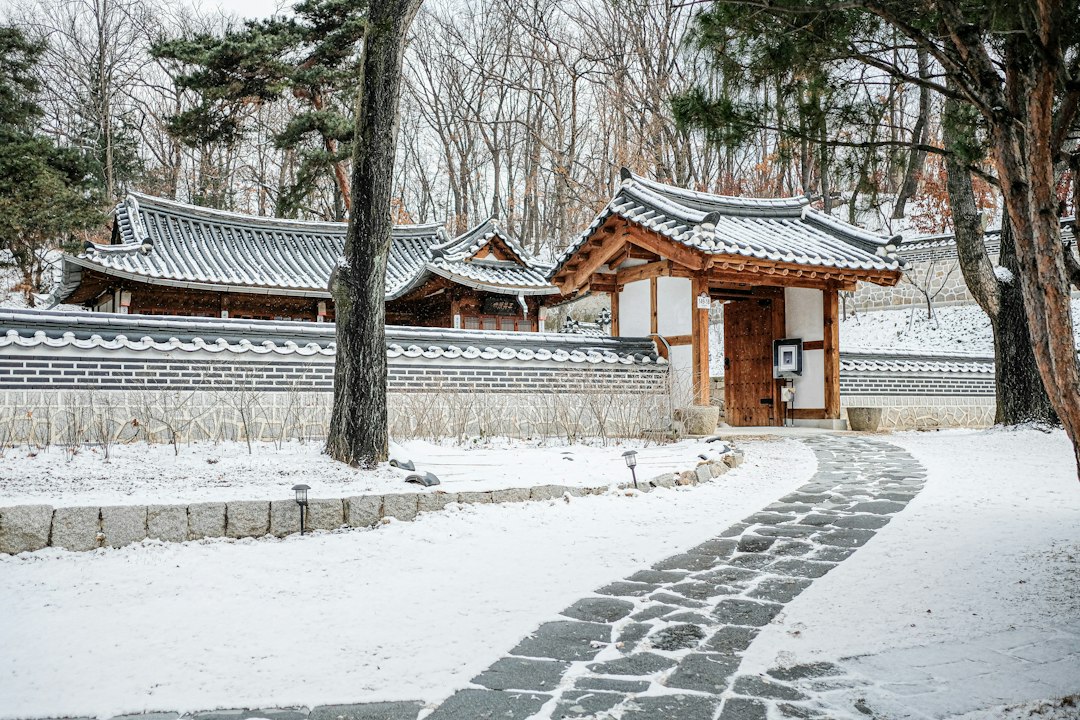
According to VisitKorea’s Climate & Seasons guide, winter runs from December through February and is cold and dry. Temperatures often drop below zero, especially in the morning and at night. Conditions vary between Seoul, mountain areas and southern cities, so a seasonal average is only a starting point.
Pack for outdoor walking, not only indoor heating
- A warm outer layer, insulating mid-layer and breathable base layer.
- Gloves, scarf or neck warmer, and a hat that covers your ears.
- Water-resistant shoes with non-slip soles for wet or icy pavement.
- A compact moisturizer and lip balm for dry indoor and outdoor air.
- A power bank; cold temperatures can reduce phone battery life.
Make transport easier on cold days
Choose accommodation near a subway station when possible, allow extra walking time, and check operating notices on the day if snow is forecast. Keep your route and hotel address saved offline. A rechargeable transport card can reduce the need to buy single tickets in cold weather; see our Transportation guides for practical use tips.
Check the forecast close to departure
Use the Korea Meteorological Administration and local transport notices for current conditions. Avoid planning a ski, hiking or long outdoor itinerary around a seasonal forecast alone.
For more trip planning basics, browse All Guides.