Busan Weather by Month: When to Go, What to Wear and Rain Plans
For a walking-focused Busan trip, start by comparing April–May and October. Summer suits a beach-focused holiday if you allow for heat and rain; winter can work well for food, museums and shorter coastal outings. These are planning recommendations, not a promise of good weather.
Reviewed November 24, 2026. Temperatures below are published climate averages, not a forecast for your travel dates.
On this page
Busan weather by month
On a small screen, swipe the table sideways if any columns are hidden.
| Month | Average high °C | Average low °C |
|---|---|---|
| January | 8.2 | -0.1 |
| February | 10.2 | 1.5 |
| March | 13.8 | 5.3 |
| April | 18.2 | 10.1 |
| May | 22 | 14.6 |
| June | 24.6 | 18.3 |
| July | 27.5 | 22.1 |
| August | 29.5 | 23.7 |
| September | 26.4 | 19.8 |
| October | 22.5 | 14.5 |
| November | 16.6 | 8.3 |
| December | 10.4 | 2 |
Source: KTO Climate & Seasons. The page does not identify a reference period alongside this table. Use the figures to compare seasons, not as temperatures observed in 2026. An average low is not the coldest temperature you could encounter.
Choose the month around your trip
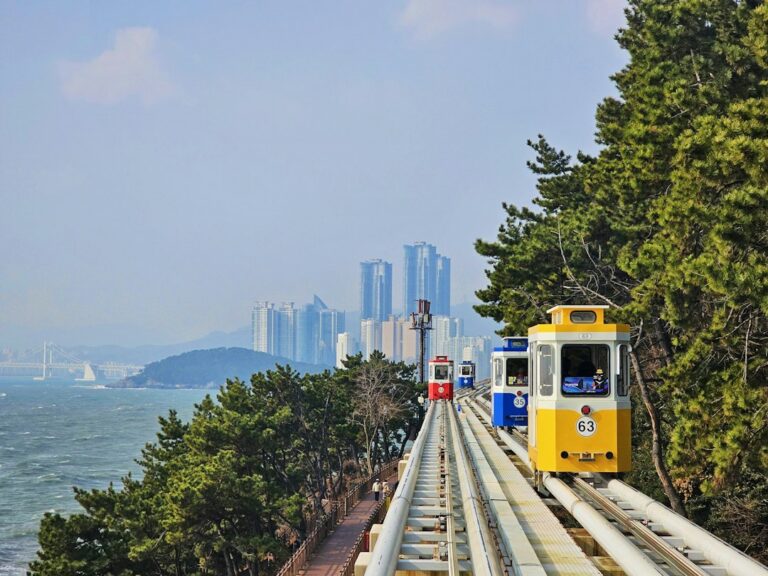
Long walks and photography: April, May and October are useful starting points for comparing flights and hotels. Plan the coastal walk for daylight and put a meal or indoor stop near the end. Do not build a whole day around a specific cherry-blossom or autumn-colour date before that year’s local information is available.
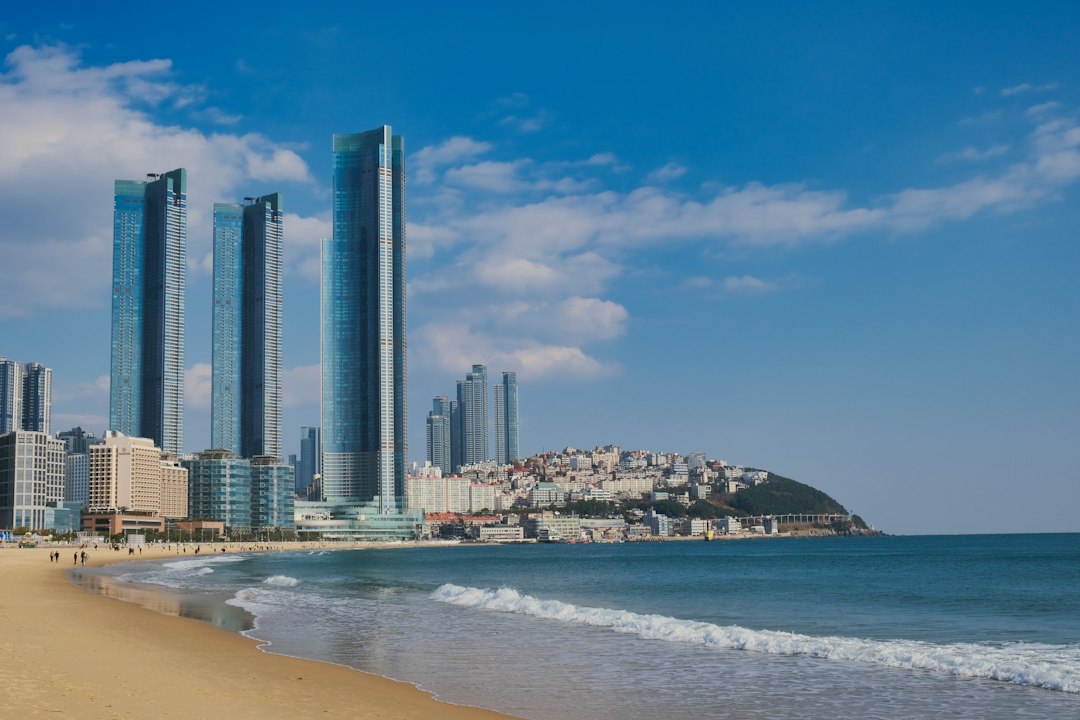
Beach time: A summer booking should include a second plan for each major outdoor day. A warm afternoon does not establish that swimming is permitted or safe. Beach operating arrangements, sea conditions and weather warnings need their own check.
Food and city breaks: Winter is a workable choice if your ideal day is a meal, an indoor attraction and a shorter outdoor visit. Avoid hours of uninterrupted waterfront time simply because Busan’s winter averages are higher than Seoul’s. Pack for the colder stop if visiting both cities.
What to wear: build a small set of layers
On a small screen, swipe the table sideways if any columns are hidden.
| Season | Suggested packing approach | Useful adjustment |
|---|---|---|
| December–February | Warm outerwear, a removable mid-layer, long trousers and closed shoes | Carry gloves or a scarf for a prolonged evening by the water |
| March–May | A jacket over lighter layers | Keep the jacket accessible after sunset |
| June–August | Light clothing, rain protection and a spare dry top | Choose footwear you can dry; keep dry clothes for the next journey |
| September–November | Light layers early in the season; a warmer jacket as temperatures fall | Pack from the forecast rather than treating all autumn months alike |
Think about what happens after rain. A compact bag for wet items and a second pair of socks can be more useful than another outfit. With children, keep spare clothes in the day bag. For a rail-to-hotel transfer, wear shoes you can comfortably walk in while pulling luggage.
How rain changes a Busan itinerary
Check the forecast for the hours you will be outside, not only the day’s weather icon. A wet morning with an improving afternoon calls for a different route from persistent rain and wind. The Korea Meteorological Administration’s Weather Nuri provides forecasts and warnings; search for your Busan area.
Choose one indoor anchor close to your hotel or planned neighbourhood. In Haeundae, investigate the aquarium; in Centum City, indoor shopping or an eligible Spa Land visit; in Yeongdo, the maritime museum. Our Busan rainy-day itineraries explain the practical differences, including child-entry and closure considerations.
Do not treat a covered ride as an all-weather guarantee. Check the operator’s service notice before travelling to a coastal attraction, and read cancellation terms before buying. An independently booked taxi and an attraction ticket may have separate cancellation rules.
A useful three-day weather strategy
- Before booking: choose a hotel base that supports the area where you most want to spend time.
- A few days before arrival: identify the clearest available coastal window and an indoor alternative.
- The evening before: check operating notices, the forecast and the latest return route.
- On the morning: consider swapping whole area-days rather than crossing Busan twice to salvage individual sights.
Keep prepaid reservations visible in this plan. Swapping an unbooked shopping day is easier than changing a timed capsule ticket. The Busan three-day itinerary gives you area-based blocks to rearrange.
Common questions
Is November too cold for Busan?
It depends on the activity and your clothing. A museum-and-food day is different from a long evening coastal walk. Use the monthly table for orientation, then pack from the forecast.
Can the monthly average identify the best exact travel week?
No. It cannot predict one week’s weather or confirm a festival date. Compare available weeks using your travel constraints first, then consult a forecast closer to departure.
For a combined trip, see winter travel in Seoul and Busan. This guide combines official climate information with editorial planning advice; it is not a live weather bulletin.
Cover image: Photo by Minku Kang on Unsplash.