Busan City Tour Bus: Routes, Tickets and a Realistic Hop-On Plan
Use the Busan City Tour Bus for a scenic route with a few deliberate stops, not as a promise to visit every marked attraction in one day. The gaps between buses, traffic and time off the bus matter as much as the route map.
First check the operating day. The operator’s current loop-tour information lists no service on Mondays and Tuesdays. A sightseeing plan built around the bus needs a normal public-transport alternative on those days.
Which route should you choose?
| Route | Main direction | Planning focus |
|---|---|---|
| Red | Busan Station toward Haeundae and the eastern waterfront | Beach and city views; select a small number of stops |
| Green | Busan Station toward Yeongdo and Taejongdae | An island-focused day with walking time off the bus |
| Orange | Busan Station toward Dadaepo | A western route; be particularly careful about the next bus |
The published Red and Green schedules show roughly 50-minute service spacing, while the Orange schedule is less frequent. Read the actual departure column: meal gaps and the final runs make a simple “every X minutes” rule insufficient.
Ticket prices and what they include
The official fare page checked November 25, 2026 lists a one-day loop pass at ₩20,000 for adults and ₩10,000 for children aged 48 months to 13 years. It covers transfers among the Red, Green and Orange loop routes.
Two adults and one child in that category would therefore pay ₩50,000 for the bus passes before meals or attraction admissions. Check current eligibility and any discount requirements rather than assuming a promotion applies to foreign visitors.
A loop ticket is not automatically a night-tour reservation. At research time the official fare page marked the separate night-view tour as suspended, so do not schedule it solely from an older tourism listing.
Where to board at Busan Station
The operator describes the boarding point opposite Starbucks on the first floor of Ramada Encore by Wyndham Busan Station, with KTX Exit 1 and Metro Exit 6 as access references. Use the operator’s map and signage; the railway station and subway have different exit numbering.
Allow time to find the correct stop and buy or validate your ticket. The loop service is described as first come, first served. Arriving at a stop is not the same as holding a reserved seat on the next vehicle.
Build the itinerary backward from the return
Choose the last place you want to leave, find a suitable bus from that stop, and work backward. Do not use the first-stop departure time as though it were the time at every other stop.
As an editorial planning example, choose one substantial stop and one shorter stop on the Red route rather than repeatedly hopping off. Reserve enough time at the substantial stop for a meal or walk. If the next bus is full or delayed, you still have fewer connections to rescue.
If your day ends with a train, choose an earlier return than the last possible one. A city-tour timetable should not be the only protection against missing a booked intercity departure.
“Via” is not a sightseeing stop
A location marked as a pass-through point is a view from the bus, not an invitation to get off. Read the distinction before promising a companion a visit to a bridge or landmark. A bus passing an attraction also does not establish that its entrance is beside the stop.
For each planned hop-off, check the walk to the attraction, its own opening hours and the return stop’s direction. The time off the bus may be much longer than the attraction’s headline visit time.
When the subway is a better choice
Use ordinary transit when your main goal is to reach one place quickly, when the loop does not operate, or when a late start leaves too few useful departures. Compare a full bus-pass price with the transport you would otherwise use, not with an imaginary taxi journey you never intended to take.
A tour bus can still be worthwhile for the ride and views themselves. The important question is whether you value that experience enough to accept the schedule rather than treating it as a faster subway substitute.
Winter and family considerations
Do not assume an open upper deck will be comfortable for the whole ride. The operator may use a different vehicle depending on conditions. Keep layers accessible and check stroller and luggage arrangements before boarding.
For children, choose a main stop with toilets and a meal nearby. Protecting a warm break is more useful than completing every transfer line on the map.
Quick answers
Can I ride all three routes in one day? The ticket permits transfers, but a satisfying sightseeing plan still depends on the timetable and your time off the bus.
Does the ticket include attraction entry? Do not assume so. Price the individual attractions separately.
Official sources
Busan City Tour routes, operating days and boarding information · Official fares and night-tour status
Related Korea Travel Ready guides
Busan in 3 Days: A Practical Itinerary by Area · Busan Station to Gwangalli or Haeundae with Luggage
Research checked November 25, 2026. Prices and operating details can change. Route suggestions and hypothetical cost examples are editorial planning aids.
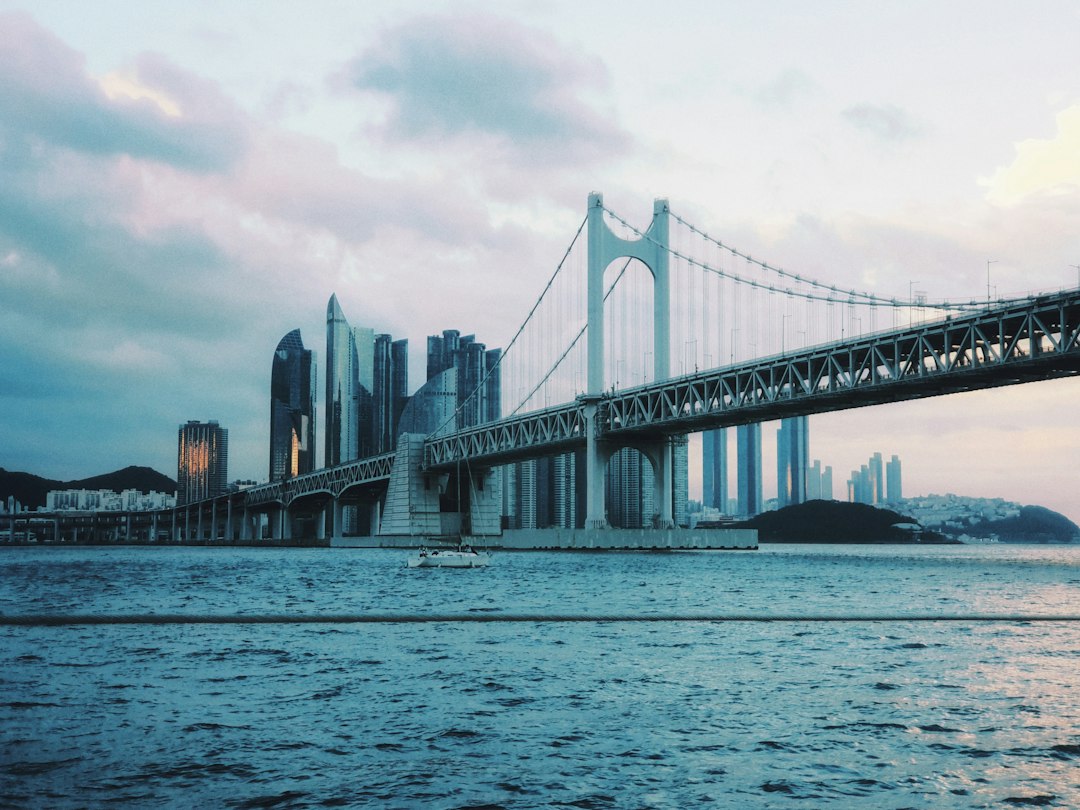
Cover photo: Junseo Jang / Unsplash. Busan coastal context; not a photograph of the tour bus.