Paying in Korea 2026: Cash, Cards, Apple Pay & ATMs for Tourists
Best setup for most visitors: bring an international Visa or Mastercard, keep a modest amount of Korean won as backup, and use a separate transit payment method such as T-money. Korea is highly card-friendly, but small merchants, market stalls, older machines and certain transport top-ups can still make cash useful.
Last verified: October 11, 2026 · Official sources checked for this update. Service details, eligibility and app interfaces may change.
Do foreign credit cards work in Korea?
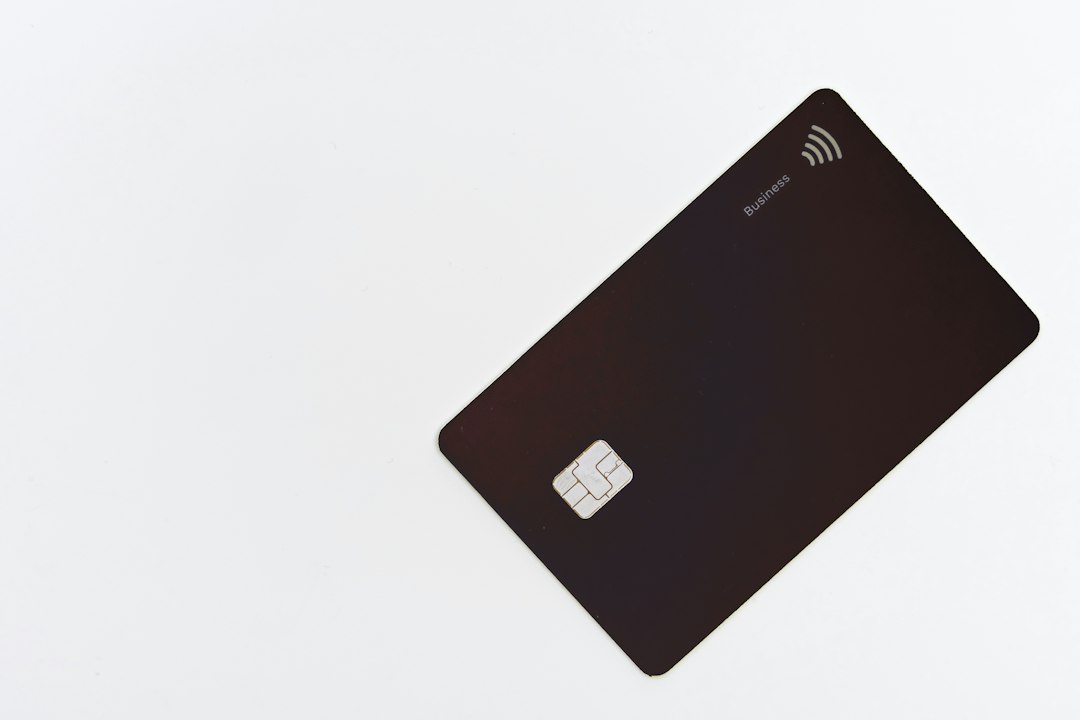
International cards are widely accepted at hotels, department stores, chain restaurants, convenience stores and major attractions. Acceptance is less predictable at very small businesses, older kiosks or domestic online checkouts. Tell your bank you are traveling, know your PIN, and bring a second card on a different network if possible.
How much cash should you carry?
You do not need to carry large amounts. Cash is useful for traditional markets, small food stalls, coin-operated services, some lockers and situations where a foreign card is declined. A practical strategy is to withdraw a moderate amount after arrival and refill only when needed.
Using ATMs with foreign cards
Look for an ATM displaying your card network’s logo and an English option. For Visa cards, the PLUS mark identifies the international cash-withdrawal network. Confirm that your issuer permits overseas withdrawals, and check both the ATM charge and your bank’s fees. A logo is not a guarantee that every individual transaction will be approved. If a machine declines your card, try another compatible bank ATM rather than repeatedly entering an uncertain PIN.
What about Apple Pay?
Apple Pay merchant purchases and T-money transit top-ups are separate. A shop must support the applicable contactless payment method. For T-money in Apple Wallet, Apple says direct Wallet top-ups require a South Korea-issued payment card. If you only have overseas cards, confirm a supported funding method before relying on a phone for transport, or use a physical transit card. Carry a physical payment card for shops where contactless payment is unavailable.
Card vs T-money vs cash
| Use case | Best option | Backup |
|---|---|---|
| Hotels / major shopping | International credit card | Second card |
| Subway / buses | T-money or supported transit card | Single-use subway ticket / cash where applicable |
| Traditional markets | Card where accepted | Cash |
| ATMs | Global ATM + debit card | Second bank card |
| Small kiosks | Card or local payment | Cash |
Dynamic currency conversion: choose KRW
If a terminal offers to charge you in your home currency instead of Korean won, compare carefully. Your own card issuer may provide a better exchange rate. In many cases travelers prefer to choose KRW and let their card issuer perform the conversion, but check your card’s foreign-transaction terms.
ATM checklist
- Look for “Global ATM” or your card-network logo.
- Select English if available.
- Check the operator fee before confirming.
- Withdraw in Korean won.
- Keep a second card separate from your wallet.
FAQ
Is Korea cashless?
Cards are extremely common, but not universal. Carrying some cash remains sensible.
Can I use a foreign debit card?
Often yes at Global ATMs and many merchants, provided your bank allows overseas transactions.
Do I need WOWPASS?
No. It can be convenient for some visitors, but it is optional. Compare it with T-money and your own card in our T-money vs Climate Card vs WOWPASS guide.
Official and primary sources
- Korea Tourism Organization — currency and card acceptance
- Visa — currency conversion choices and fees
- Visa — overseas ATM use and the PLUS mark
- Apple Support — Tmoney direct Wallet top-ups
- Apple — T-money for Apple Pay on iPhone and Apple Watch
Korea Practical Guide is an independent information website and is not affiliated with the organizations or apps mentioned above.